
Research-Based
Evidence shows anti-inflammatory foods reduce systemic inflammation
Whole Food Focus
No supplements or powders—real foods with natural bioactive compounds
Practical Science
Actionable dietary strategies grounded in nutritional science
The information on this site is for educational purposes only and does not constitute medical advice. Always consult a qualified healthcare professional before making health decisions.
Transform Your Health Through Food Science
Discover how strategic dietary choices can reduce chronic inflammation naturally. At Nutrimenscore, we translate cutting-edge nutrition research into simple, sustainable eating patterns that work for your body.
Your 4-Week Inflammation Journey
Week 1: Foundation
Begin eliminating processed foods and refined sugars. Introduce omega-3 rich sources like fatty fish, walnuts, and flaxseeds. Track how your energy changes.
Week 2: Color Addition
Add colorful vegetables and fruits rich in polyphenols—berries, leafy greens, bell peppers, turmeric. These contain powerful antioxidant compounds.
Week 3: Optimization
Fine-tune meal timing and portion ratios. Increase whole grains, legumes, and healthy fats. Notice improved digestion and mental clarity.
Week 4: Sustainability
Lock in habits that feel effortless. Establish your personal anti-inflammatory baseline and continue long-term dietary patterns.
Key Dietary Pillars for Inflammation Reduction
Plant Diversity
Aim for 30+ different plant foods weekly. Each variety provides unique phytonutrients that work synergistically to calm immune response and support gut microbiota balance.
Omega-3 Balance
Increase EPA and DHA from cold-water fish, algae, and plant sources. Reduce omega-6 vegetable oils. This ratio shift directly impacts inflammatory markers in your blood.
Spice Science
Turmeric, ginger, cinnamon, and black pepper contain active compounds like curcumin that inhibit inflammatory pathways at the cellular level.
Whole Grain Priority
Fiber and resistant starch from oats, brown rice, and quinoa feed beneficial bacteria that produce short-chain fatty acids essential for gut barrier function.
Healthy Fats
Extra-virgin olive oil, avocados, nuts, and seeds contain polyphenols and monounsaturated fats that modulate immune activation and reduce systemic inflammation.
Fermented Foods
Kimchi, sauerkraut, miso, and yogurt introduce live beneficial bacteria that strengthen intestinal barrier and reduce inflammatory molecule absorption.
Anti-Inflammatory Meal Inspiration

Mediterranean Bowl Strategy
Start with a base of whole grains—quinoa, farro, or brown rice. Add 4-5 ounces of omega-3 rich protein like wild salmon or sardines. Layer in colorful vegetables: roasted red peppers, cucumber, cherry tomatoes, purple cabbage. Dress with extra-virgin olive oil and lemon juice.
This combination delivers polyphenols, fiber, healthy fats, and bioavailable micronutrients that work together to reduce inflammatory signaling. The fiber feeds beneficial bacteria while antioxidants neutralize free radicals.
Explore RecipesMore Meal Inspiration
Discover practical recipes and meal plans designed by our editorial team to make anti-inflammatory eating accessible and enjoyable.
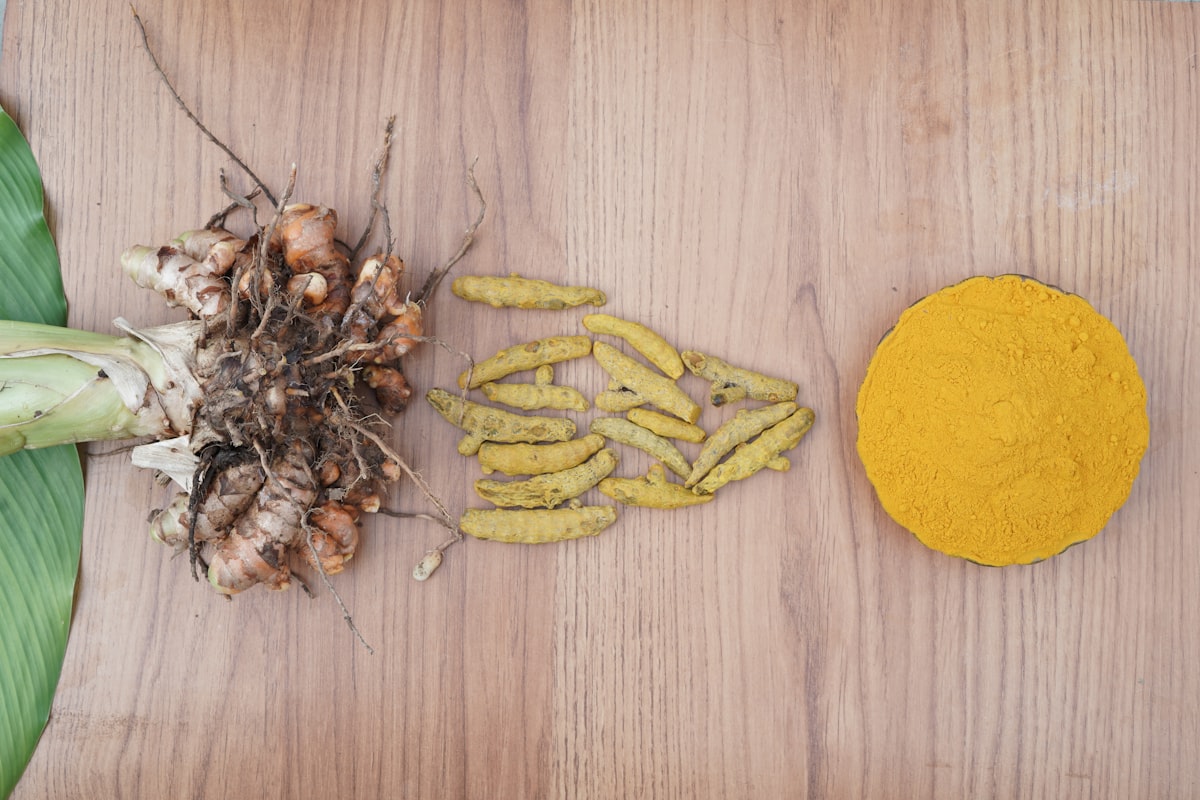
Golden Turmeric Soup
A warming blend of coconut milk, turmeric, ginger, and garlic. Curcumin, the active compound in turmeric, has been extensively studied for its anti-inflammatory properties.
View Recipe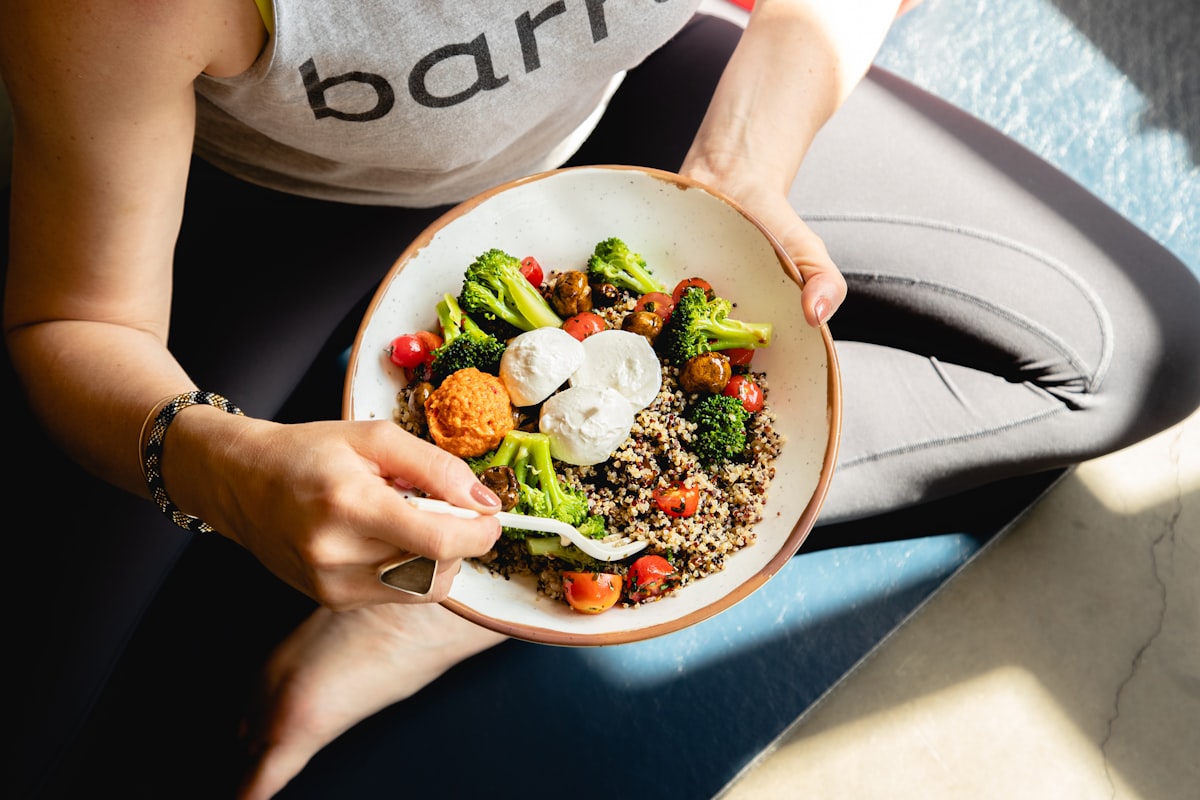
Berry Antioxidant Bowl
Blueberries, blackberries, and pomegranate with plant-based yogurt and hemp seeds. Anthocyanins from berries are potent anti-inflammatory compounds.
View RecipeWhy Choose Nutrimenscore
Our approach is grounded in peer-reviewed research, practical implementation, and real-world results.
Evidence-Based Content
Every article and recipe recommendation references peer-reviewed studies. We translate complex nutritional science into actionable guidance.
Expert Editorial Team
Our writers include registered dietitians, nutritional biochemists, and health journalists with years of experience in evidence-based nutrition.
Practical, Not Perfect
We focus on realistic, sustainable dietary changes that fit into modern life—not extreme elimination or unrealistic perfection.
What Our Readers Say
"
The recipes are simple yet effective. I started with the Mediterranean bowl strategy and within three weeks noticed less joint pain and better energy throughout the day. The explanations behind why each food matters really helped me understand the science, not just follow rules.
Siti Rahman
Jakarta, Indonesia
"
I appreciate that this isn't about restriction or giving up foods I love. The focus on adding nutritious foods rather than eliminating everything has made this approach sustainable for me. My digestion improved and I feel more confident about my dietary choices.
Budi Santoso
Bandung, Indonesia
"
The 4-week framework made it easy to start without feeling overwhelmed. I loved how each week built on the previous one. Now I understand which foods reduce inflammation and which trigger reactions in my body. This knowledge is empowering.
Dini Kusuma
Surabaya, Indonesia
Frequently Asked Questions
Most people notice initial changes within 1-2 weeks—better sleep quality, improved digestion, and increased energy. More significant reductions in inflammation markers take 4-8 weeks to measure. Individual response varies based on starting dietary habits, genetics, and stress levels. Consistency matters more than perfection.
Ready to Transform Your Health?
Start exploring our comprehensive collection of evidence-based recipes, meal strategies, and nutritional science. Learn how food can be your most powerful tool for reducing inflammation naturally.
Subscribe to Our Newsletter
Get the latest articles, recipes, and nutrition insights delivered to your inbox. Stay informed about research-backed strategies for anti-inflammatory eating.